

Gamification is more than just a buzzword. It is a proven design approach that is reshaping how people engage with digital and physical experiences.
According to Mordor Intelligence, the global gamification market is projected to reach $92.5 billion by 2030, growing at a compound annual growth rate of 26%. More than 70% of Global 2000 companies now use it in some form.
But what exactly is gamification, how does it work, and why does it matter so much in industries like tourism, culture, and heritage? This guide answers all of that.
What is Gamification?
Gamification is the use of game-like elements such as points, badges, leaderboards, challenges, and rewards in non-game settings. It is used to increase engagement, motivation, and participation.
The idea of using game-like thinking in non-game contexts has been around for decades. The term “gamification” is widely credited to game designer Nick Pelling , who coined it around 2002.
Gamification became popular around 2010, when mobile and digital technology made it easier to apply game mechanics at scale.
Today, it is used across industries such as education, healthcare, enterprise software, tourism, and cultural heritage.
Gamification does not turn an experience into a video game. Instead, it applies proven psychological drivers like progress, feedback, achievement, competition, and storytelling to everyday activities. These can include visiting a museum, exploring a national park, or completing a campus tour.
In simple terms, gamification makes ordinary tasks more engaging by adding a sense of progress and reward.
For example, progress bars that encourage you to complete your profile, badges earned for visiting new places, or streak reminders are all examples of gamification in action.
What are the benefits of gamification?
The evidence for gamification's effectiveness is substantial and growing. Here's what the research and case studies show:
1. Increases engagement dramatically
AmplifAI's 2026 gamification statistics report, gamification can boost user engagement by up to 150% compared to non-gamified environments.
Visu Network's analysis documents real-world results. Samsung Nation reported a 500% increase in customer product reviews, while Verizon Wireless found users spent 30% more time on their gamified site.
2. Improves knowledge retention
A longitudinal study published in Education Sciences (MDPI, 2024) followed 1,001 higher-education students over three academic years. It found that gamified learning increased excellence rates by 122% and improved average grades by 25% compared to traditional instruction.
A meta-analysis in the British Journal of Educational Technology also confirmed a meaningful positive effect size (d = 0.504) on student learning performance across gamified settings.
3. Elevates employee productivity
According to AmplifAI, 90% of workers say gamification improves their productivity at work. It also found that 83% of employees in gamified training feel motivated, compared to just 39% in non-gamified programs.
4. Boosts customer acquisition
Texas-based Extraco Bank reported a 700% increase in customer acquisitions after gamifying its process for educating customers about account changes. Conversion rates also rose from 2% to 14%.
5. Builds retention and loyalty
AmplifAI reports that 69% of employees stay longer at organizations that use gamification. It also reports that gamified organizations are seven times more profitable than those using traditional engagement approaches.
What are the core elements of gamification?
Effective gamification is not just adding a leaderboard and calling it done. It is built using a set of design mechanics that each serve a specific psychological purpose.
If you are building a gamified experience, below are the core elements you should not miss.
Points
The simplest unit of feedback in any gamified system is a number that goes up. This can take the form of experience points, loyalty points, or reputation scores. It gives users a clear sense of progress by turning effort into something visible and measurable. Badges and Achievements
Few things feel as satisfying as a tangible record of something you have done. Badges give users a visible marker of their accomplishments and act as a form of social currency that can be displayed, shared, or felt with pride.
Badges are especially powerful for milestone moments that might otherwise go unnoticed.
Leaderboards
Humans are wired to look sideways. Ranking systems introduce social comparison and friendly competition into an experience, turning individual effort into a shared contest.
Leaderboards are powerful motivators, though they require careful design. A leaderboard that permanently shows the same top performers can quietly demotivate everyone else.
Levels and Progression
Nothing communicates growth quite like moving from one stage to the next. Progressing from “beginner” to “explorer” to “expert” signals mastery and keeps users engaged in the journey. It creates a clear sense that there is always another goal worth reaching.
Challenges and Quests
A clear goal, a defined path, and a promised reward form one of the most reliable engagement drivers in gamification design. It gives users a specific task to complete with a meaningful payoff at the end. This structure turns passive interaction into purposeful action.
Streaks and Rewards
Consistency is hard to build until the cost of breaking it starts to feel real. The streak mechanic is one of the most studied examples of gamification. The fear of losing a streak often motivates users more strongly than the original goal.
Streaks turn one-off engagement into a daily habit.
Avatars and Narrative
When someone can see themselves inside an experience, represented by a character, a persona, or a name on the map, something shifts. Avatars and stories give users identity and context within the experience.
When these elements are part of a meaningful storyline, emotional investment deepens beyond what points and badges alone can achieve.
What is the psychology behind how gamification works?
Gamification isn't magic — it's applied behavioral science. Understanding why it works helps you design it better.
Intrinsic vs. Extrinsic Motivation
Psychologists Edward Deci and Richard Ryan developed Self-Determination Theory (SDT), which distinguishes between intrinsic motivation (doing something because it's inherently satisfying) and extrinsic motivation (doing something for an external reward).
Good gamification targets both. However, the best implementations eventually shift users from extrinsic ("I want the badge") to intrinsic ("I genuinely love exploring this park").
A 2020 meta-analysis in Contemporary Educational Psychology confirmed that SDT's three core psychological needs map directly onto how gamification works in practice:
- Competence — the feeling of being capable and making progress
- Autonomy — the sense of choosing your own path
- Relatedness — connection to other people or a community
The Dopamine Loop
Games trigger the release of dopamine, the brain’s reward chemical, through variable reward schedules.
The anticipation of a reward, such as wondering whether you will earn enough points today, creates a sense of excitement and focus.
This neurological response is why well-designed gamified experiences feel compelling rather than forced.
Pressure Mechanics
Some of the most effective gamification elements work through urgency. Countdown timers, limited-time challenges, streaks that can be broken, and scarce collectibles all create a low level of pressure that encourages users to act.
When used responsibly, these mechanics are powerful. However, when overused, they can feel manipulative. Good designers aim to avoid that outcome.
Real-World Examples of Gamification
Here are real-world examples of gamification and how it is used to increase engagement and motivation.
1. Duolingo
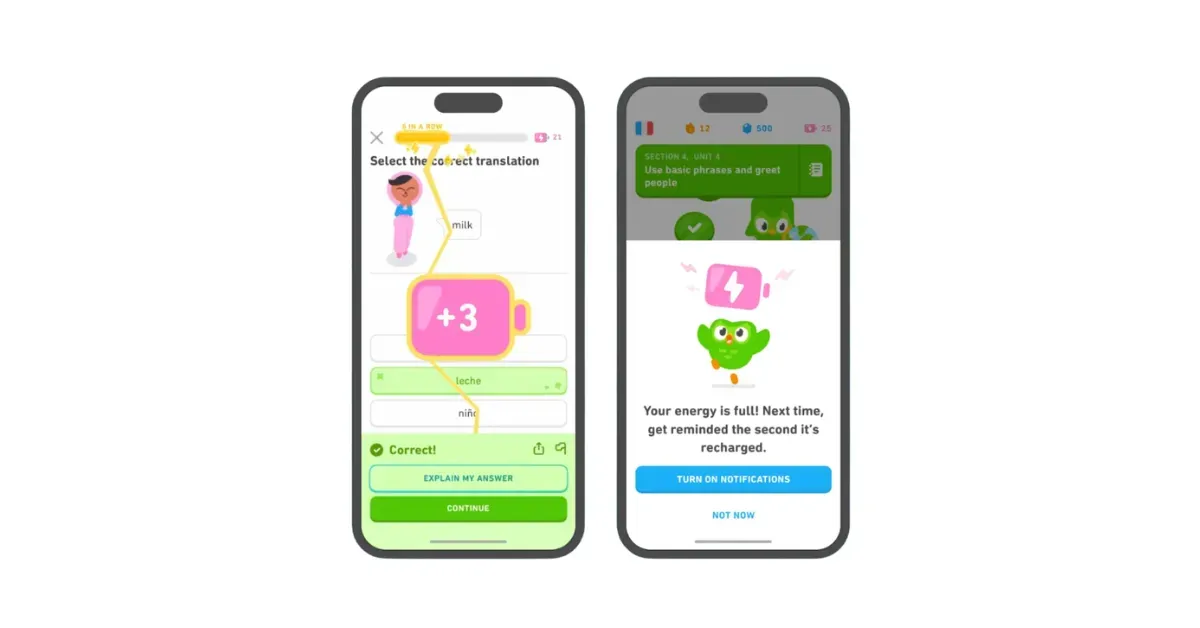
The language-learning app is perhaps the most cited gamification success story. Streaks, XP, league systems, and character narratives have turned vocabulary drills into something people voluntarily return to daily.
Mordor Intelligence notes Duolingo's 39% revenue growth to $811.2 million in 2024 as evidence of what sustained gamified engagement can produce at scale.
2. Starbucks Rewards
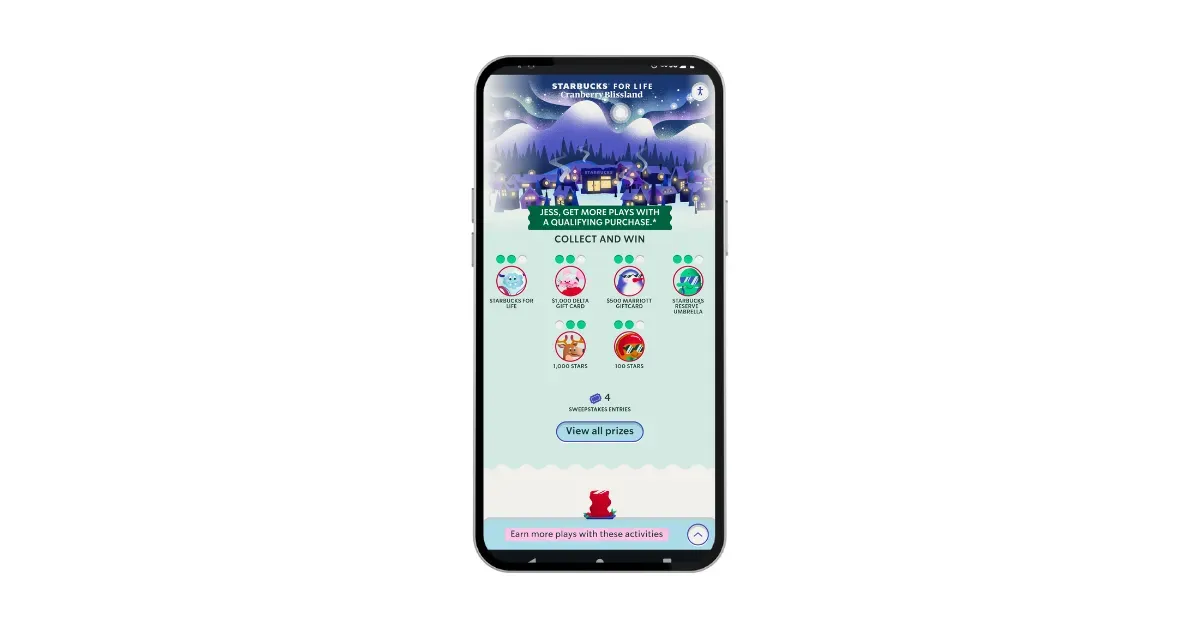
Stars, tier progression, bonus star challenges, and personalized offers transform coffee purchases into a points game. Members visit more frequently and spend more per visit than non-members.
3. Nike Run Club
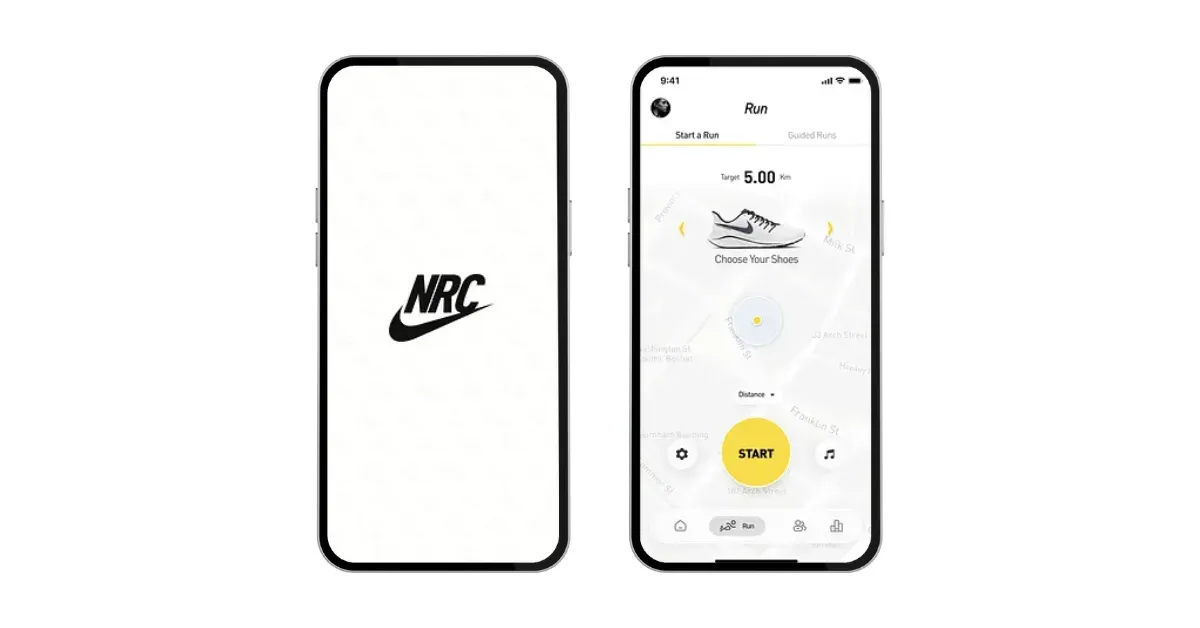
Challenges, achievements, personal records, and social sharing mechanics turn individual workouts into a community experience. The app gamifies physical activity without trivializing it.
4. LinkedIn
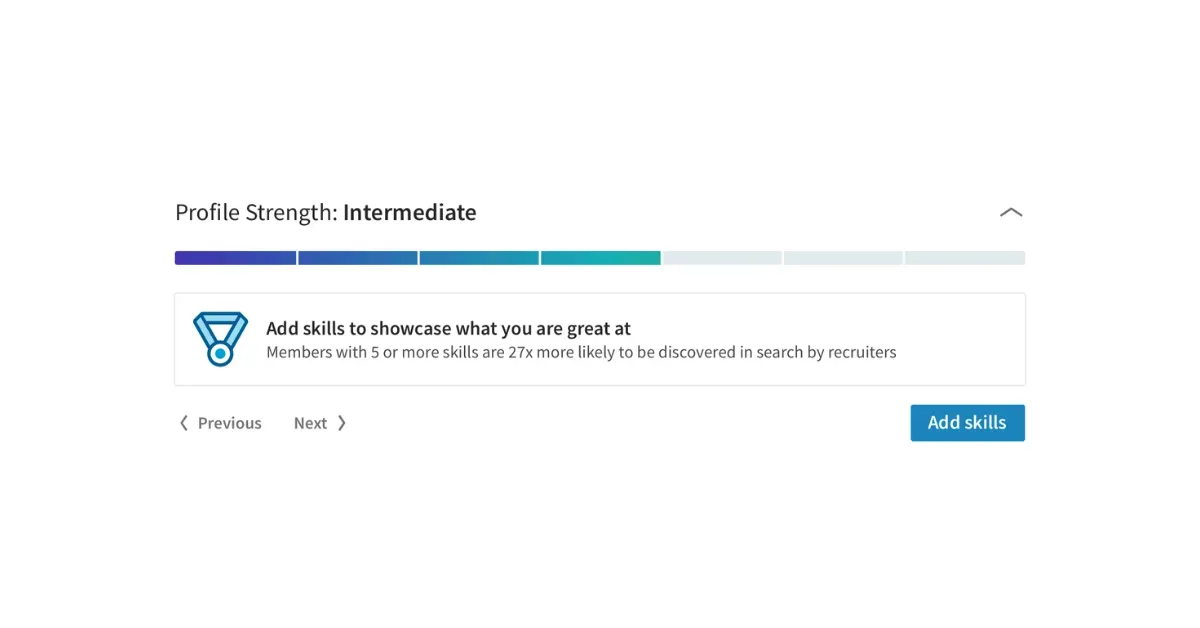
The “profile strength” meter is a common gamification element that encourages users to complete their profile by adding details like education, photos, and skills. It works because incomplete progress creates a sense of discomfort.
5. Salesforce Trailhead
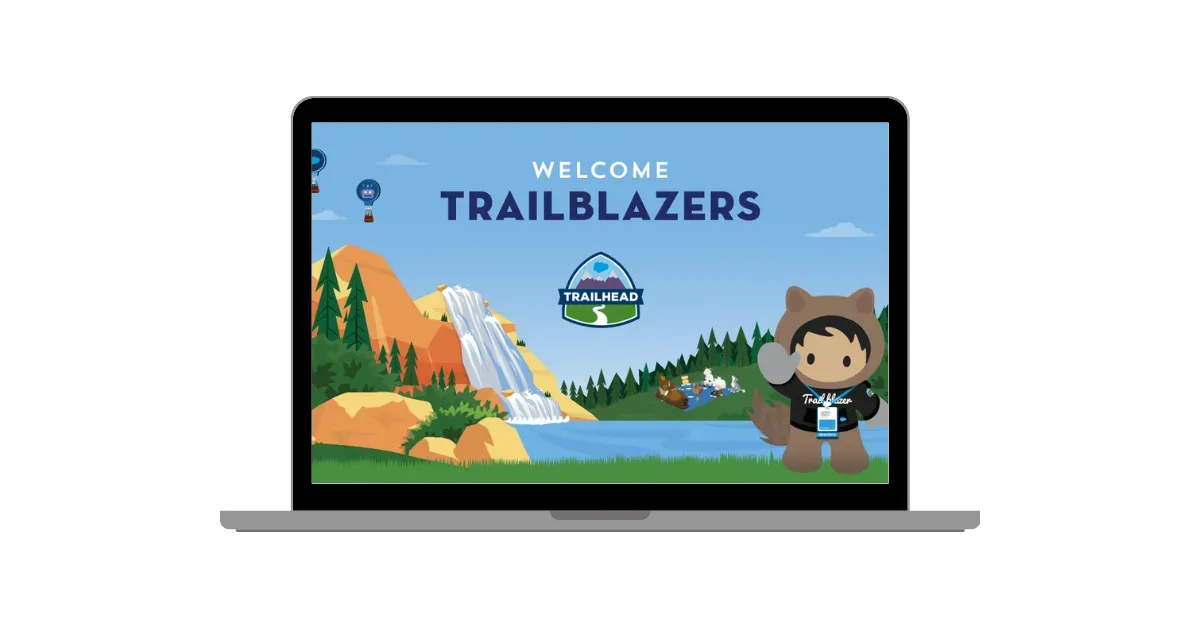
In enterprise software, Salesforce gamified its entire training and certification ecosystem. Learners earn badges, climb ranks, and complete trails. This makes professional development feel less like work and more like a game.
6. Fitbit
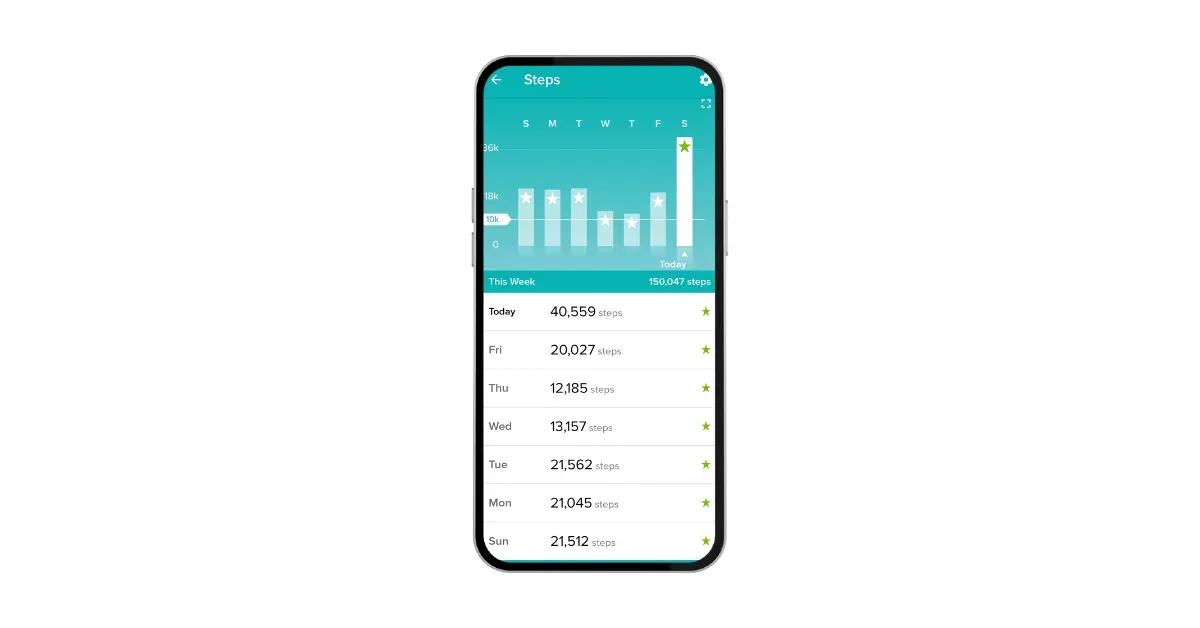
Daily step goals, achievement badges, and friend challenges made health tracking habitual for millions of users. The 10,000-step goal became a cultural norm partly because Fitbit made hitting it feel rewarding.
Gamification in Tourism, Culture & Heritage
Visitor experiences rely on engagement. Even the most impressive museum, trail, or landmark loses impact if visitors move through it passively.
Gamification helps solve this by turning visitors from passive observers into active participants. It encourages people to slow down, explore, and connect more deeply with what they are seeing. This works especially well in self-guided tours and interactive kiosks.
Across both formats, the mechanics stay the same. Simple actions like completing challenges, unlocking content, or earning rewards increase engagement and make visits more memorable.
Research supports this shift. A systematic review found that gamification improves engagement across the full visitor journey, before, during, and after a visit.
A 2025 study also found that mobile gamified experiences increase visit intention, especially among tech-comfortable travelers.
Adoption is also strongly tied to user behavior. Research data shows that 81% of digital-native self-guided tourists are interested in gamified cultural experiences, compared to 29% of non-digital-native travelers.
As Millennials and Gen Z continue to dominate travel spend, the expectation of interactive, self-directed experiences will only grow.
How STQRY Brings Gamification to Life
STQRY offers two purpose-built products that make gamified visitor experiences easy for any organization, with no coding required.
STQRY Apps powers self-guided tours on visitors’ smartphones. It lets organizations create interactive paths, add quizzes and challenges, award badges, and deliver location-based content within a branded app.
STQRY Kiosk brings the same interactivity to fixed screens inside a space such as museums, parks, or campuses. Visitors can engage with challenges, discovery activities, and storytelling at key points throughout their visit.
Together, they cover the full visitor journey, from the device in a visitor’s pocket to the screens in the physical environment.
See the gamified experiences STQRY enables, including badges, AR trails, quiz-based audio guides, and interactive kiosk challenges.
FAQs
What are the different types of gamification?
Some of the common types of gamification include points-based systems, challenges and quests, leaderboards, badges and rewards, and narrative or story-based gamification.
Do gen Z like gamification?
Yes. Gen Z responds strongly to gamification because they prefer interactive, fast-feedback, and reward-driven digital experiences.
What type of learning is gamification?
Gamification supports active learning. It encourages learning through interaction, feedback, and problem-solving rather than passive information intake.
Is gamification a method or technique?
Gamification is a design technique. It applies game elements to non-game contexts to improve engagement and motivation.
Gamify Your Experience Today with STQRY
Visitors already want to explore, discover, and connect with the places and stories you manage. Gamification helps guide that experience with clear structure and motivation. It encourages deeper engagement and repeat visits.
STQRY makes this easy to implement in practice. You can build gamified self-guided tours with STQRY Apps or add interactive kiosk experiences across your space with STQRY Kiosk.
The global gamification market will nearly quintuple by 2030. The organizations that move first will define what great visitor experiences look like for the next decade.
Your visitors are ready to play. Are you ready to build it?