
Cultural heritage and awareness months are designated periods to spotlight specific communities and their contributions to society. But why do these observances matter so much? The answer lies in visibility, education, and connection.
When museums align programming with heritage months, they help communities feel represented and teach complex histories. They also offer visitors opportunities to broaden their understanding of the world.
In this article, let's explore the major cultural heritage and awareness months throughout the year and how museums can bring them to life.
1. February – Black History Month
What started as a single week in 1926 has grown into a month-long celebration of Black excellence and resilience. Historian Carter G. Woodson founded the Association for the Study of African American Life and History (ASALH) and launched Negro History Week to counter the erasure of Black contributions from American narratives.
By the 1970s, universities and communities across the country had expanded the observance to encompass the entire month of February.
For museums, Black History Month isn’t just about looking back. It’s an opportunity to create spaces where Black stories are honored fully and presented with the depth they deserve.
Exhibits remain at the heart of this work. Through carefully selected artifacts, photographs, and displays, they give visitors tangible ways to engage with history.
Today, technology allows museums to build on these experiences. Self-guided tour apps, for example, can turn familiar spaces into immersive storytelling journeys,
Take the Lives Remembered: Black History in Pease Park tour, built with STQRY Apps. Visitors use a self-guided app to explore the park at their own pace. They learn about enslaved individuals who once worked the land and discover post-emancipation stories of Black families.
With geofencing, the app detects the visitors’ location and automatically triggers content, such as audio stories, historical photos, or first-person accounts, exactly where it matters.
Museums can use this same technology to make their exhibits more engaging. By combining geofencing with self-guided apps, they can deliver media that enhance physical displays and improve visitor experience.
2. March – Women’s History Month
March brings dual opportunities for museums to celebrate women’s contributions. The month highlights Women’s History and the achievements of women throughout time. March 8 specifically marks International Women’s Day, a global celebration of women’s social, economic, cultural, and political impact.
Museums with strong archival collections can use this month to surface stories that challenge traditional historical narratives. Who were the women inventors, activists, and artists that shaped their communities? What objects in the collection tell their stories?
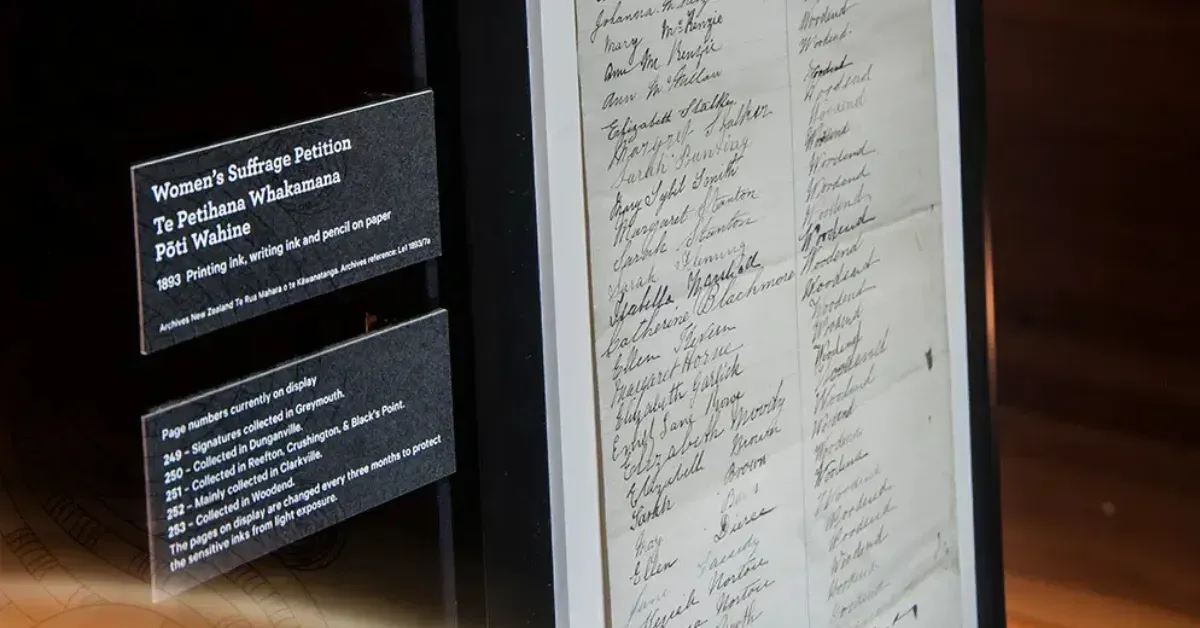
Walking tours offer a particularly effective format for Women's History Month programming. For example, the National Library of New Zealand created an accessible, multilingual audio guide experience using STQRY. One of the highlights of the tour is the Women’s Suffrage Petition — Te Petihana Whakamana Poti Wahine.
The audio guide highlights small but powerful details, from the tiny lights inside the case to the colored inks women used to sign the petition.
Listeners also learn why nearly 24,000 signatures mattered. Together, they represented a quarter of the adult female population at the time. The guide shares stories of both well-known leaders and ordinary women whose collective effort drove change.
This kind of programming works year-round but gains special resonance in March when public attention turns toward women's history.
3. April - Arab American Heritage Month / International Days

April might be the quietest heritage month on the museum calendar, but that's precisely why it matters. Arab American Heritage Month, officially recognized since 2017, offers museums a chance to address significant gaps in cultural representation.
Many visitors know little about Arab American contributions to science, literature, art, and civic life. Museums can fill this void through cultural talks, temporary exhibits featuring Arab American artists, or partnerships with local Arab American community organizations.
The key is creating programming that goes beyond surface-level cultural appreciation. Dive into complex histories. Explore the experiences of Arab Americans during different periods of U.S. history. Highlight contemporary Arab American voices alongside historical narratives.
April also includes several international observance days, such as Earth Day, International Jazz Day, and others, that museums can weave into their programming calendars.
4. May – Asian American, Native Hawaiian, and Pacific Islanders Heritage (AANHPI) Month & Jewish American Heritage Months
May presents a unique opportunity with two distinct heritage months that museums can honor simultaneously. This isn’t about lumping communities together but recognizing the richness of diverse histories that deserve platform space.
Asian and Pacific Islander Americans represent incredibly diverse communities, with dozens of distinct cultures, languages, and historical experiences. Museums should resist the temptation to present AANHPI heritage as monolithic. Instead, focus on specific stories.
Feature a particular community's immigration experience. Showcase artists from underrepresented Pacific Islander cultures. Partner with local cultural organizations to ensure authentic representation.
Similarly, Jewish American Heritage Month offers chances to explore Jewish contributions to American culture, science, and social justice movements.
Museums can examine objects in their collections through new lenses during May. That painting might have been created by a Jewish American artist fleeing persecution. This community organization document might reveal Jewish involvement in civil rights activism.
The goal is specificity. General celebrations of "diversity" rarely create meaningful engagement. Particular stories, grounded in real experiences and artifacts, do.
5. June – Pride and Cultural Diversity Celebrations

June explodes with color, celebration, and reflection. Pride Month began as a way to commemorate the Stonewall Riots of 1969, a pivotal moment in the fight for LGBTQ+ rights. Today, it honors LGBTQ+ history and culture while promoting ongoing advocacy for equality and inclusion.
For museums, June represents a powerful opportunity to present queer history as an integral part of the larger American story—not a footnote.
The PRIDE Explorer app demonstrates how digital tools can reveal hidden histories in plain sight. This innovative platform guides users through cities from California to New York, uncovering over a century of LGBTQ+ spaces, struggles, and triumphs.
During 90-minute self-guided walking tours, users explore the birthplaces of early Pride parades and the hidden spots where LGBTQ+ pioneers organized. They also discover underground bars that served as safe havens for the community and visit sites where key battles for gay rights took place.
The app doesn't shy away from difficult histories. Instead, it weaves together celebration and struggle, revealing how LGBTQ+ communities shaped urban landscapes across America.
Museums can develop similar programming that makes LGBTQ+ history accessible, engaging, and relevant to contemporary conversations about inclusion and belonging.
6. September – Hispanic Heritage Month (Sept 15–Oct 15)

Hispanic Heritage Month begins mid-September (on the 15th) and extends through October 15. It begins by honoring the independence anniversaries of several Latin American countries.
Costa Rica, El Salvador, Guatemala, Honduras, and Nicaragua all celebrate independence on September 15. Mexico and Chile mark their independence days shortly after. This timing gives the observance historical significance, rather than being based on calendar convenience.
For museums, this extended period offers flexibility in programming. You might launch exhibitions in mid-September that run through October.
You could also schedule events across both months. This captures both early fall visitors and those who come during autumn peak season.
Hispanic Heritage Month programming should reflect the incredible diversity within Hispanic and Latino communities. One way to do this is by featuring artists from specific countries or regions.
Partnering with local Hispanic cultural centers ensures that authentic community voices help shape your programming.
7. October – National Arts and Humanities Month

October also celebrates the transformative power of arts and humanities in American life. It was established in 1993 to encourage Americans to explore new aspects of creativity and culture. The month also aims to foster a lifelong habit of engaging with the arts.
For museums, October is a prime opportunity to showcase exhibits, programs, and events. These activities highlight why cultural institutions matter and show how they enrich communities.
National Arts and Humanities Month is the perfect time to experiment with how you present collections. Traditional wall text and display cases remain important, but interactive technology can deepen engagement significantly.
STQRY Kiosk provides a powerful way to bring museum exhibits to life. Rather than being limited to traditional museum labels, this solution allows museums to present dynamic, interactive content on large digital panels.
With STQRY Kiosk, museums can:
- Use text with images to show different angles or historical context
- Add videos to show how objects were made or used
- Include audio from experts to explain why items matter
- Layer content so casual visitors see the basics and enthusiasts can explore more
For example, at the Papakura Museum in Auckland, Ring’s Redoubt, a historic fort from the New Zealand Wars, is featured on a STQRY Kiosk display. Visitors explore a digital showcase of around 6,000 artifacts connected to the site.
The interactive experience allows guests to dive deeper into the fort’s history. It helps them make connections and discover details that traditional exhibits cannot provide.
8. November – Native American Heritage Month
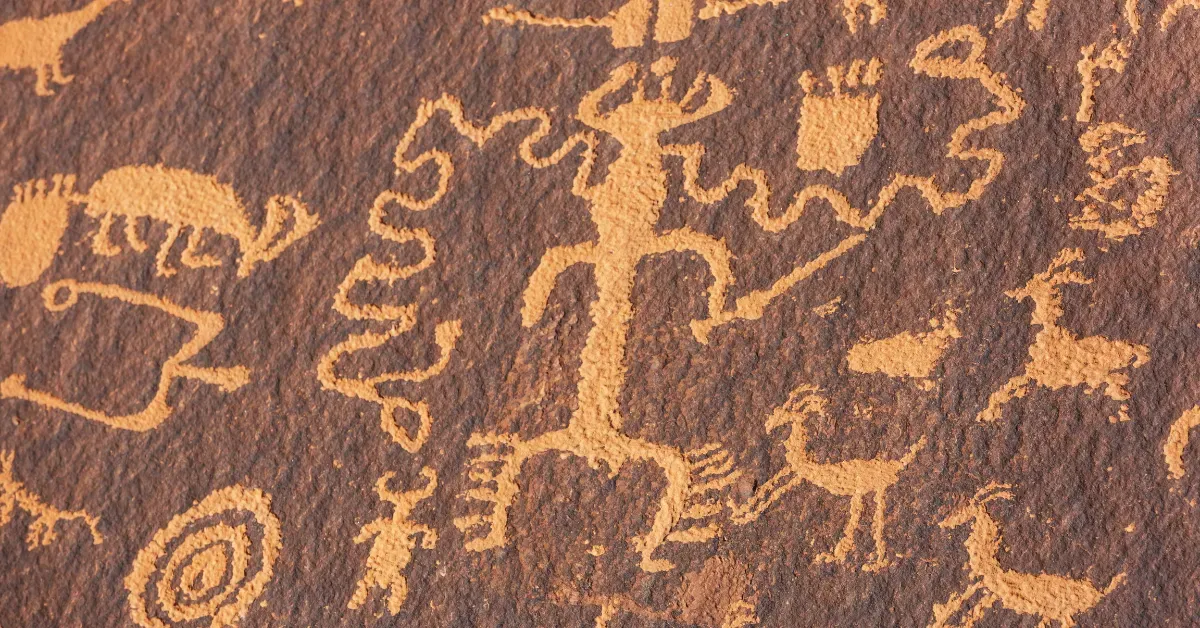
November honors the rich cultures, histories, and contributions of Native peoples. For museums, this month carries a particular responsibility. Many institutions hold Native American objects, and how these collections are interpreted matters deeply.
The most important principle for Native American Heritage Month programming is simple: Indigenous people must be at the center of how their stories are told.
Some effective ways to approach this include:
- Inviting guest curators from tribal communities to select objects and write interpretations. This shifts the museum’s role from authority to platform;
- Including Indigenous languages on exhibit labels alongside English to honor language revitalization and create welcoming spaces;
- Featuring contemporary Native artists and activists with historical objects to show that Native cultures are living and evolving;
- Offering digital tours to reach tribal lands and urban Indigenous communities, removing barriers to access.
- November programming should also address difficult truths about how museums acquired Native objects and what repatriation processes look like. Transparency builds trust.
November programming should also address difficult truths about how museums acquired Native objects and what repatriation processes look like. Transparency builds trust.
Power Your Heritage Month Programming with STQRY
STQRY provides the technology museums need to bring cultural observances to life. Whether you're developing self-guided walking tours, creating interactive kiosk experiences, or building mobile apps that extend your reach beyond physical walls, STQRY makes it possible.
From Black History Month tours honoring enslaved communities to Pride experiences mapping LGBTQ+ heritage across cities, STQRY's no-code technology platform adapts to your museum's unique needs and stories.
Ready to transform how your museum celebrates cultural heritage?